


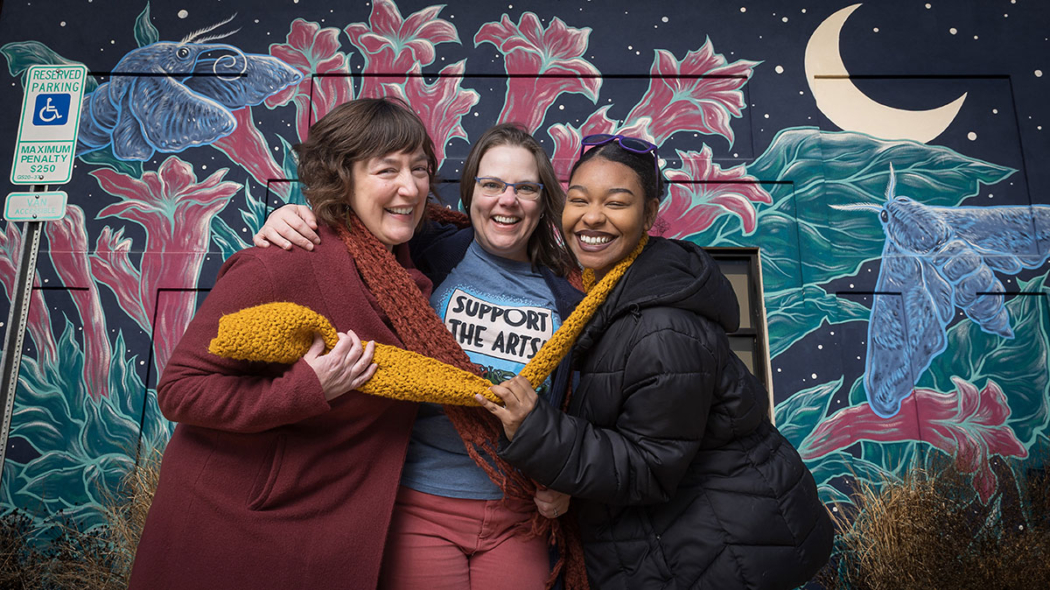
Lee Pike was spending her birthday at work, listening to students read poetry at the High School Spoken Word Contest, an event organized by United Arts Wake County, where she is vice president of development. She planned to duck out early to celebrate her special day, but instead, she sat transfixed, brought to tears by a reflection on a student’s grandmother that reminded her of her own.
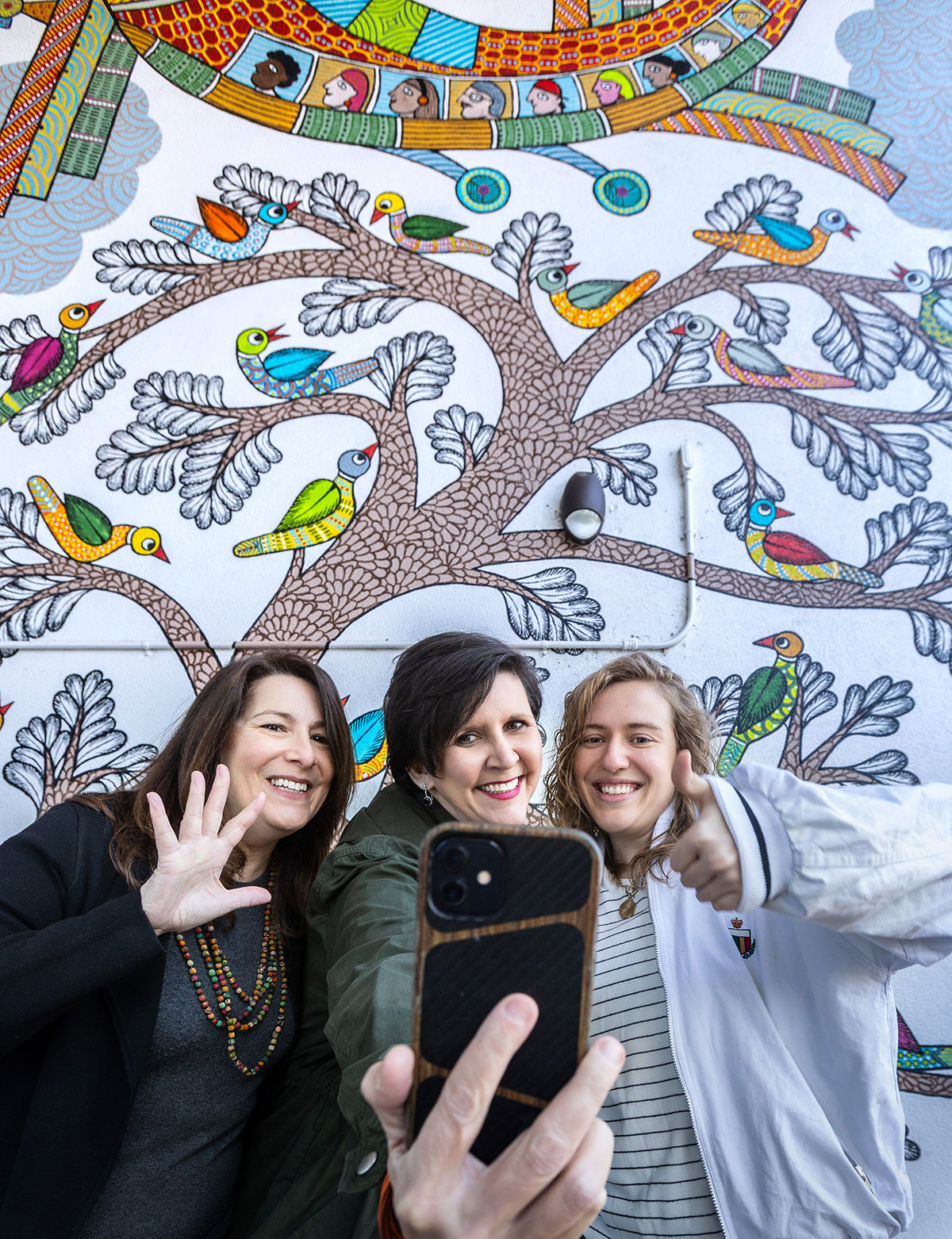
Director of Arts Education Julia Mastropaolo, President & CEO Jennifer McEwen, and Community Arts Coordinator Kelly Schrader visit the Roots and Wings mural, by Sampada Kodagali Agarwal, at Morrisville Aquatic and Fitness Center.
“I was weeping, crying, and I’m sitting next to my coworkers who are also crying,” she says, “And I thought, this isn’t just my birthday; it’s a magical moment.”
As the county’s designated arts agency, United Arts has made such magical moments available to Wake residents for more than 50 years by supporting artists and cultural organizations, helping to fund everything from murals to theater performances to pottery classes to arts festivals across the county.
The organization’s flagship program, Artists in Schools, brings professional teaching artists into K–12 schools, reaching more than 130,000 students in 150 schools a year through performances, workshops, and writing residencies.
Beyond schools, United Arts serves as a major grantmaker for artists and arts organizations across Wake County. It funds individual creatives, small nonprofits, city and town arts programs, and major festivals, including the American Dance Festival and community celebrations such as African American Cultural Festival of Raleigh and Wake County.
United Arts also runs the Wheels on the Bus Fund, which provides transportation and tickets for students to attend live performances. Field trips often include productions by the Carolina Ballet and shows at Raleigh Little Theatre. Students who might never see a live performance light up at the chance to see professional theater, says Lee, who recently attended The Nutcracker with a group of students participating in the program.
“The lights go down, the curtains go up, and the kids’ screaming is incredibly loud,” she says. “They just get so excited. It’s just such a joy.”
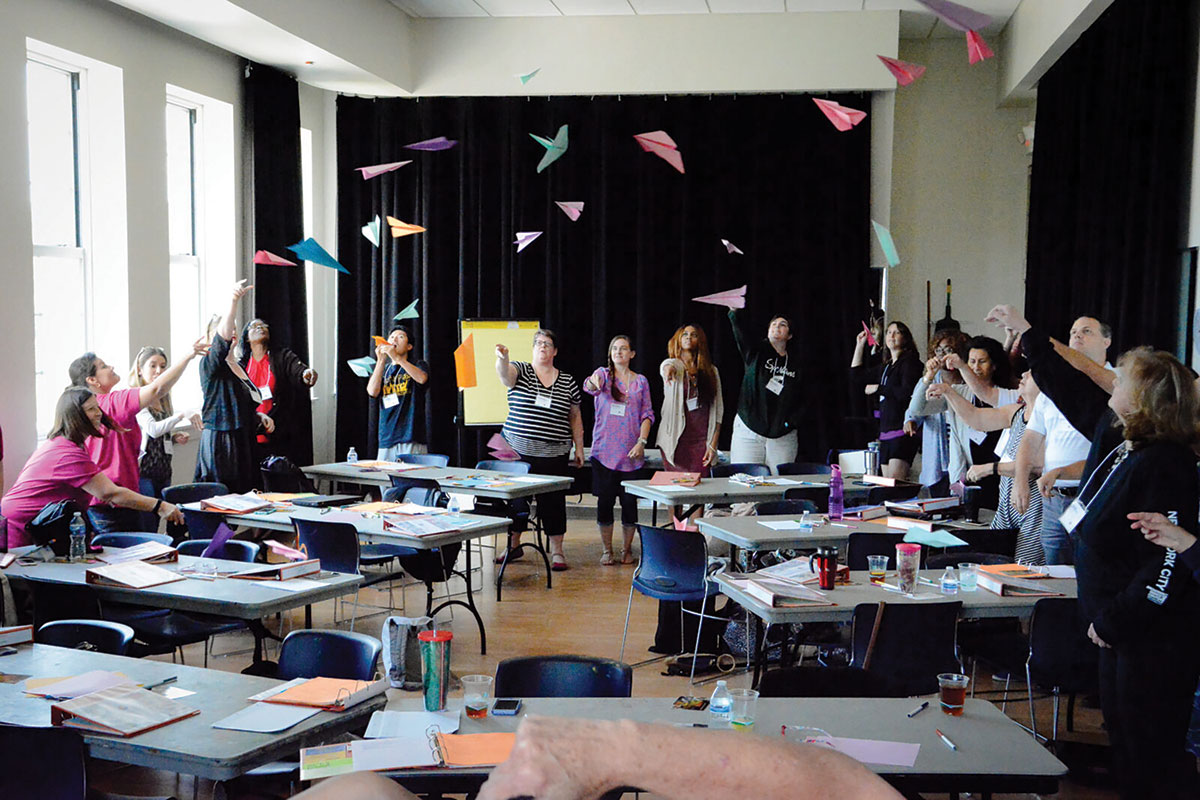
United Arts Wake County, Andra Willis Photography
The organization further supports arts-integration training for teachers, helping educators incorporate creative strategies into subjects like math, science, and language arts.
Among their new initiatives this year are the premiere Wake on Stage! fundraiser, with performances by prominent local personalities, and an ambitious push for greater arts funding from the county, according to Lee.
The April 17 fundraiser will help bring Artists in Schools programming to schools that lack the resources to participate. Typically, schools raise money to bring in artists through parent-teacher organizations, which United Arts would then match. But that left some schools — particularly Title I schools and those in higher-poverty areas — with limited or no access.
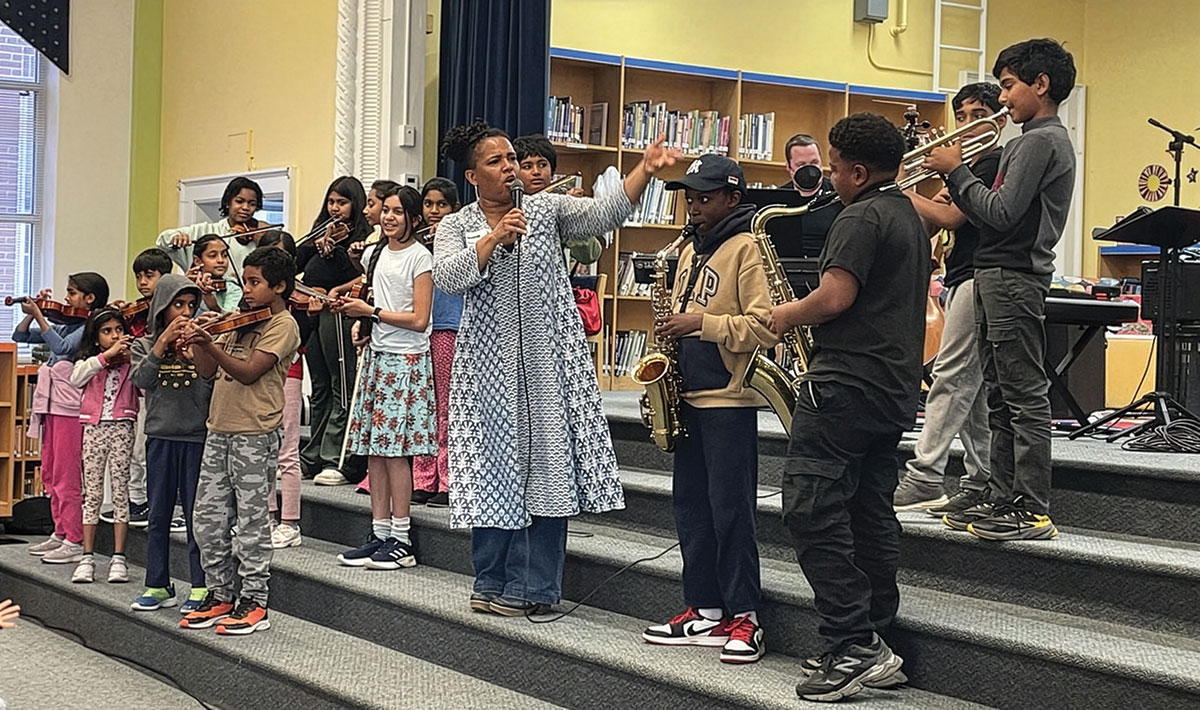
Musician Shana Tucker during her residency at Washington Elementary in Raleigh
“We’ve always done pro bono programs when we could,” Lee says, “but in the past couple of years, we’ve been intentional about fundraising specifically to support schools that don’t have those resources. It shouldn’t be an afterthought.”
Performers at the event include Wake County commissioners with jazz artist Shana Tucker, WRAL meteorologist Chris Michaels on drums, as well as members of the General Assembly and Raleigh City Council.
Perhaps the organization’s most sweeping project is its work on a countywide cultural master plan, conducted in cooperation with Wake County and its 12 municipalities. Developed over two years, the report involved a series of surveys, interviews, and statistical analysis aimed at assessing and strengthening the county’s creative infrastructure.
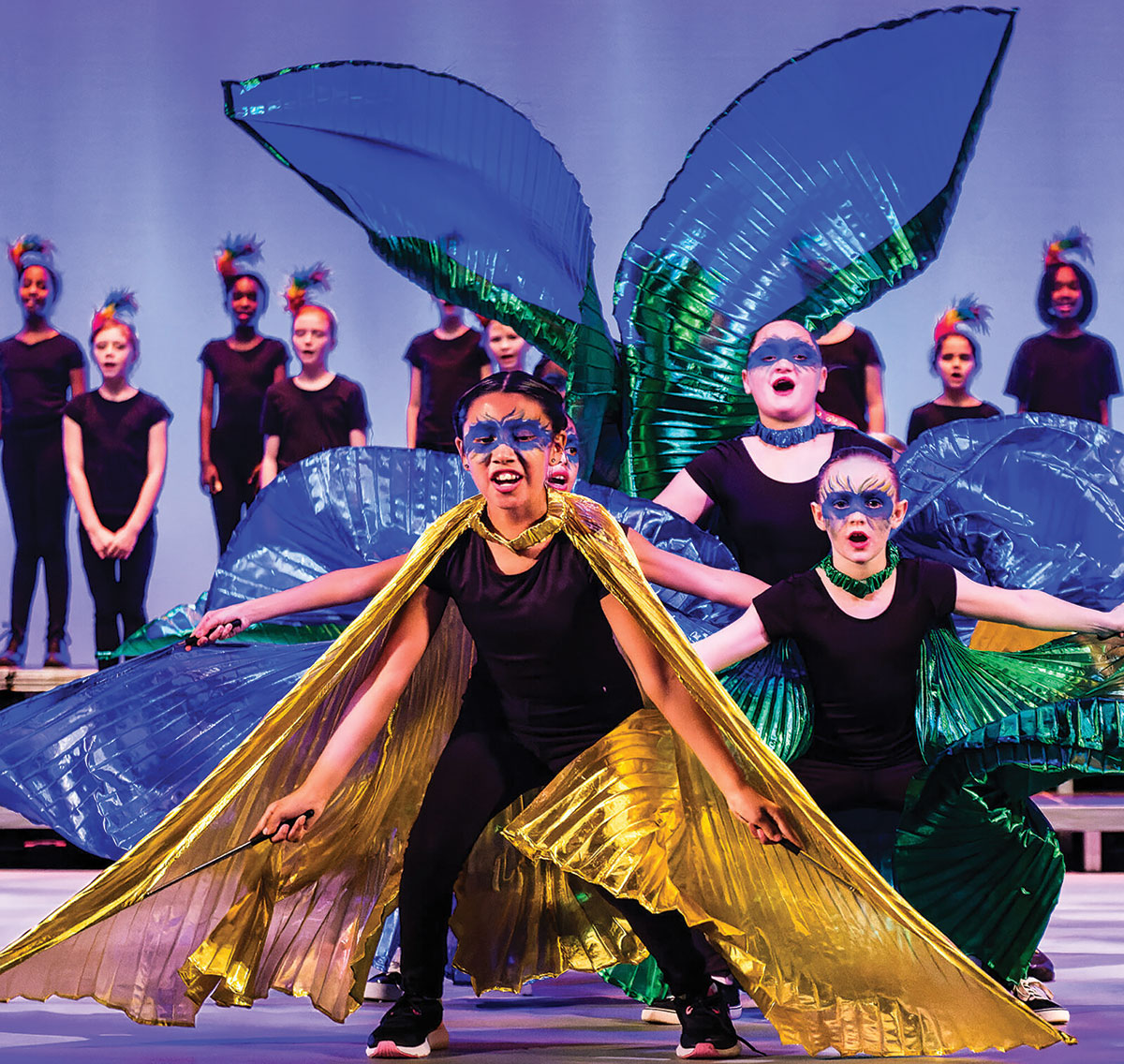
Pieces of Gold, a partnership between United Arts Wake County and Wake County Public Schools, showcases nearly 1,000 student performers through music, dance, and theater.
One finding stood out: Wake County currently spends about 41 cents per person annually on arts and culture, while comparable counties in the region invest between $5 and $9 per capita. The plan proposes a phased increase to $4 per person over the next eight years.
Lee says the funding could support infrastructure such as rehearsal space, studios, and affordable live-work housing for artists. It would also help smaller municipalities develop their own cultural identities through everything from outdoor murals to arts festivals.
“We want Wake County to be a place where artists can live and thrive,” Lee says. “And we want arts and culture happening all over the county, not just in the bigger metropolitan areas.”
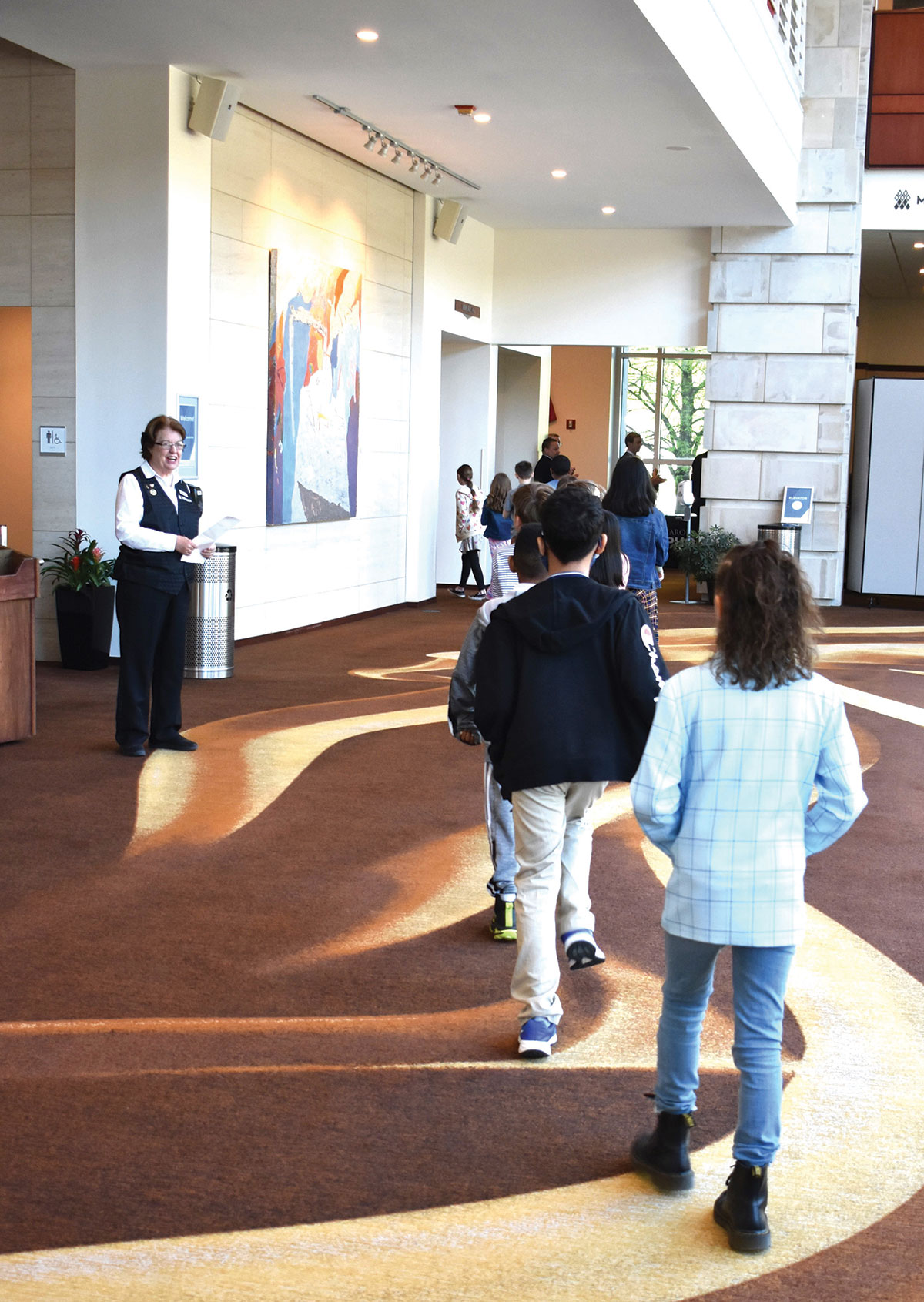
Wheels on the Bus programs provide transportation and tickets for students to attend live performances, such as the North Carolina Symphony.
Another recent initiative aims to bring arts programming into assisted living and rehabilitation centers, reaching an older audience that can at times face isolation from the larger community. Lee says it’s a natural outgrowth of the organization’s goal of reaching all Wake residents.
If these efforts bring joy and connection, they are also economic drivers, Lee says. Companies relocating to the Triangle often cite quality of life as a major factor, and a vibrant cultural landscape helps recruit and retain talent.
“Arts and culture are part of what make a place livable,” she says. “It’s not just a ‘nice to have.’”
Lee acknowledges that the work can feel precarious at a time when arts funding is diminishing at the federal level; United Arts maintained its funding this year from the National Endowment for the Arts, despite deep cuts to the agency’s budget. The uncertainty was stressful. But, she says, the arts community is resilient.
“When times are hard, people turn to art,” she says. “They need joy. They need expression. Artists are going to keep creating no matter what. The question is whether we, as a community, show that we value it.”